Exclusive Interview with Emmanuel Joshua Obile: Exploring Contemporary African Art, Identity, and Self-Discovery
by Art.Africa Oct 24, 2024
Art, in its myriad forms, is a universal language that transcends cultural boundaries and generations. From the ancient cave paintings to the digital masterpieces of today, it has been a constant companion of humanity, expressing emotions, telling stories, and challenging our perceptions. Throughout history, art has evolved in response to societal changes, technological advancements, and philosophical movements. The Renaissance, for instance, ushered in a new era of realism and humanism, while the Impressionists revolutionized painting with their focus on capturing the fleeting effects of light. Abstract art, on the other hand, challenged traditional notions of representation, exploring form, color, and texture for their own sake.
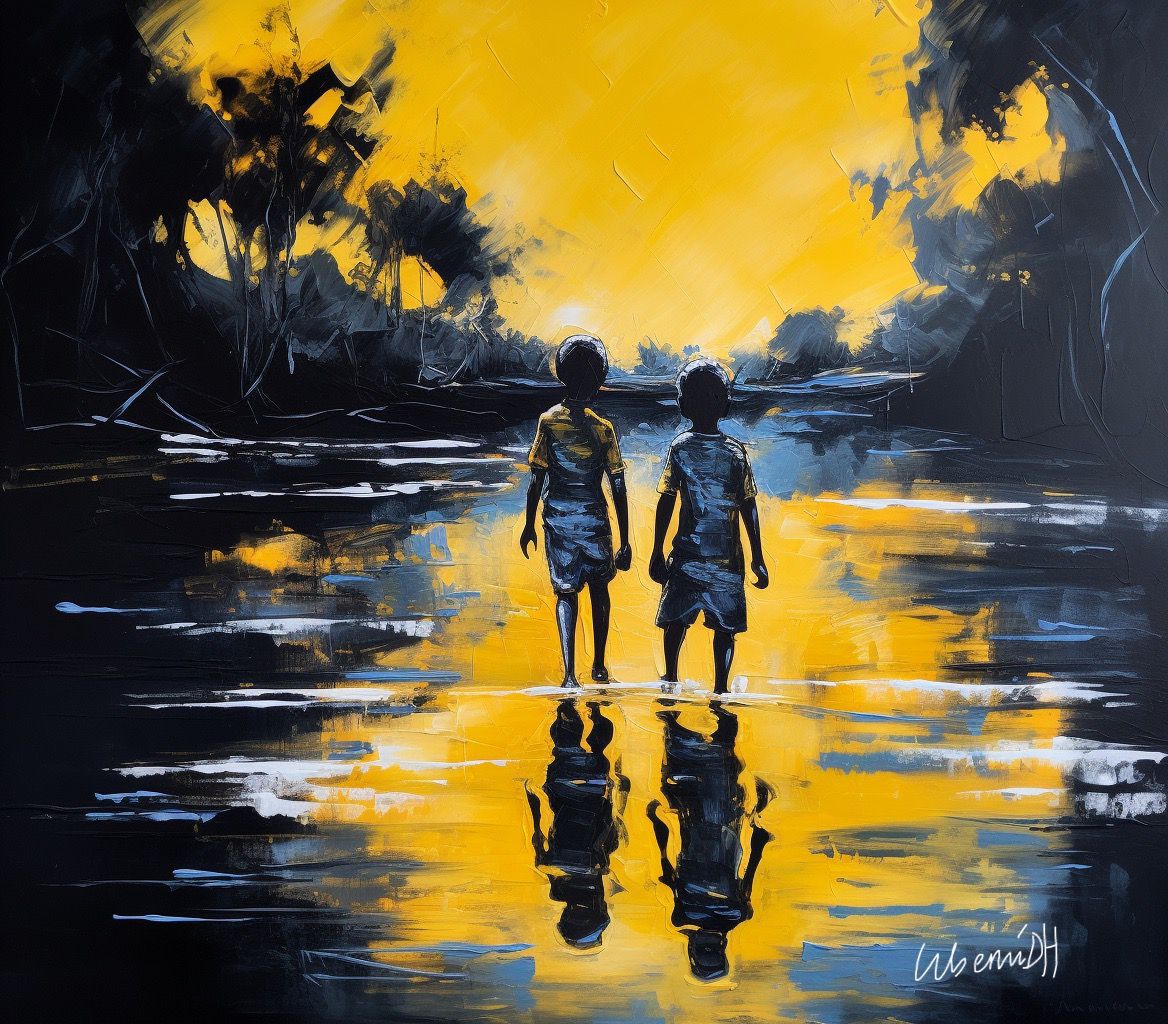
Art, in its myriad forms, is a universal language that transcends cultural boundaries and generations. From the ancient cave paintings to the digital masterpieces of today, it has been a constant companion of humanity, expressing emotions, telling stories, and challenging our perceptions. The Power of Art: A Universal Language
Art, in its myriad forms, is a universal language that transcends cultural boundaries and generations. From the ancient cave paintings to the digital masterpieces of today, it has been a constant companion of humanity, expressing emotions, telling stories, and challenging our perceptions.
The Evolution of Art
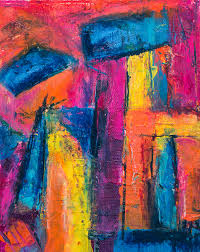
Throughout history, art has evolved in response to societal changes, technological advancements, and philosophical movements. The Renaissance, for instance, ushered in a new era of realism and humanism, while the Impressionists revolutionized painting with their focus on capturing the fleeting effects of light. Abstract art, on the other hand, challenged traditional notions of representation, exploring form, color, and texture for their own sake.
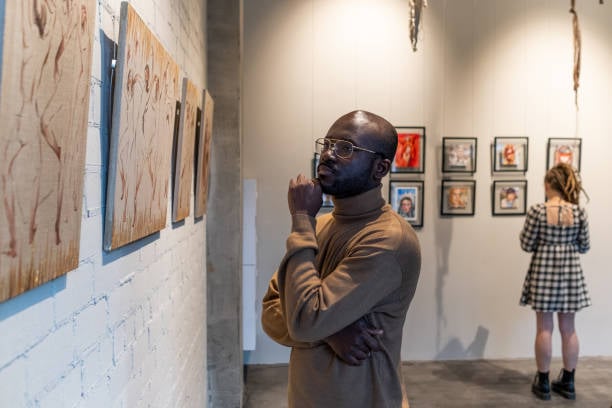
Throughout history, art has evolved in response to societal changes, technological advancements, and philosophical movements. The Renaissance, for instance, ushered in a new era of realism and humanism, while the Impressionists revolutionized painting with their focus on capturing the fleeting effects of light. Abstract art, on the other hand, challenged traditional notions of representation, exploring form, color, and texture for their own sake. The Power of Art: A Universal Language
Art, in its myriad forms, is a universal language that transcends cultural boundaries and generations. From the ancient cave paintings to the digital masterpieces of today, it has been a constant companion of humanity, expressing emotions, telling stories, and challenging our perceptions. The Power of Art: A Universal Language. The Power of Art: A Universal Language
Art, in its myriad forms, is a universal language that transcends cultural boundaries and generations. From the ancient cave paintings to the digital masterpieces of today, it has been a constant companion of humanity, expressing emotions, telling stories, and challenging our perceptions.
The Evolution of Art
Throughout history, art has evolved in response to societal changes, technological advancements, and philosophical movements. The Renaissance, for instance, ushered in a new era of realism and humanism, while the Impressionists revolutionized painting with their focus on capturing the fleeting effects of light. Abstract art, on the other hand, challenged traditional notions of representation, exploring form, color, and texture for their own sake.
Art, in its myriad forms, is a universal language that transcends cultural boundaries and generations. From the ancient cave paintings to the digital masterpieces of today, it has been a constant companion of humanity, expressing emotions, telling stories, and challenging our perceptions.
The Evolution of Art
Throughout history, art has evolved in response to societal changes, technological advancements, and philosophical movements. The Renaissance, for instance, ushered in a new era of realism and humanism, while the Impressionists revolutionized painting with their focus on capturing the fleeting effects of light. Abstract art, on the other hand, challenged traditional notions of representation, exploring form, color, and texture for their own sake.

The Evolution of Art.The Power of Art: A Universal Language
Art, in its myriad forms, is a universal language that transcends cultural boundaries and generations. From the ancient cave paintings to the digital masterpieces of today, it has been a constant companion of humanity, expressing emotions, telling stories, and challenging our perceptions.
The Evolution of Art
Throughout history, art has evolved in response to societal changes, technological advancements, and philosophical movements. The Renaissance, for instance, ushered in a new era of realism and humanism, while the Impressionists revolutionized painting with their focus on capturing the fleeting effects of light. Abstract art, on the other hand, challenged traditional notions of representation, exploring form, color, and texture for their own sake.
Throughout history, art has evolved in response to societal changes, technological advancements, and philosophical movements. The Renaissance, for instance, ushered in a new era of realism and humanism, while the Impressionists revolutionized painting with their focus on capturing the fleeting effects of light. Abstract art, on the other hand, challenged traditional notions of representation, exploring form, color, and texture for their own sake. The Power of Art: A Universal Language
- Art, in its myriad forms, is a universal language that transcends cultural boundaries and generations. From the ancient cave paintings to the digital masterpieces of today, it has been a constant companion of humanity, expressing emotions, telling stories, and challenging our perceptions.
- The Evolution of Art
- Throughout history, art has evolved in response to societal changes, technological advancements, and philosophical movements. The Renaissance, for instance, ushered in a new era of realism and humanism, while the Impressionists revolutionized painting with their focus on capturing the fleeting effects of light. Abstract art, on the other hand, challenged traditional notions of representation, exploring form, color, and texture for their own sake.